
Before you go back inside
- Wait for the fire department to issue an all-clear
- Do not enter if the structure is unstable or if smoke is still present
- Do not turn on electricity, gas, or water until utilities have been inspected
- Document the exterior with photos and video before anything is moved
Inside the first 24 hours
- Do not touch soot - skin oils set it into surfaces permanently
- Do not run the HVAC - soot circulating through ductwork spreads contamination to unaffected rooms
- Do not wipe down walls or ceilings with household cleaners - wrong chemistry sets stains
- Photograph every room and every affected item before any cleanup begins
- Call your insurance carrier and an IICRC-certified fire restoration company
What restoration crews handle that homeowners cannot
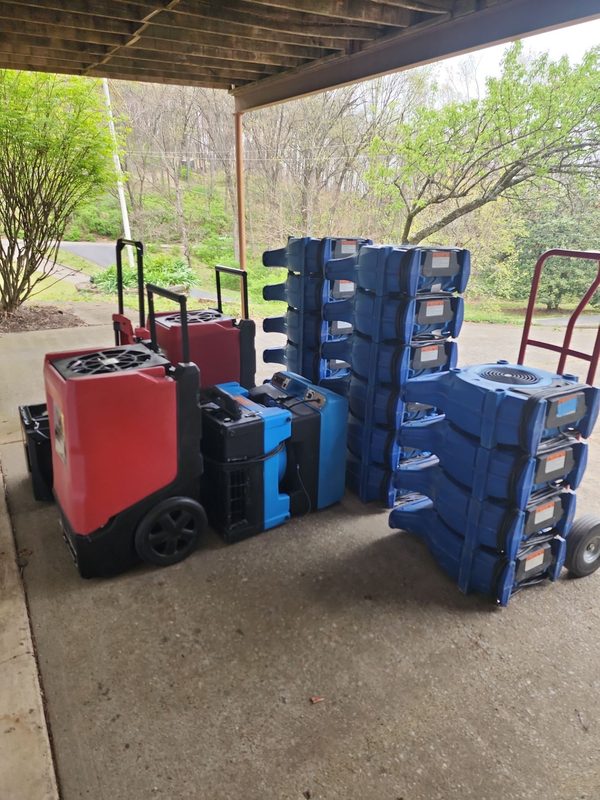
Soot identification (dry, wet, protein, fuel oil) and the matching cleaning chemistry, HEPA air scrubbing to capture airborne particulate, thermal fogging or ozone treatment to neutralize smoke odor at the molecular level, HVAC duct cleaning to stop recirculation of soot, contents pack-out to a controlled facility for restoration, and full reconstruction back to pre-loss condition.
What your insurance covers
On a covered fire loss, a standard Tennessee homeowner policy covers structure repair, contents replacement or restoration, additional living expenses (hotel/temporary housing), and code upgrades up to policy limits. We document each category separately so nothing is missed at settlement.
Fire damage in Knoxville? Call us 24/7 for emergency board-up, soot cleanup, and full reconstruction.
Call (865) 240-0296